Why Black And White Still Dominates Fine Art Nude Photography
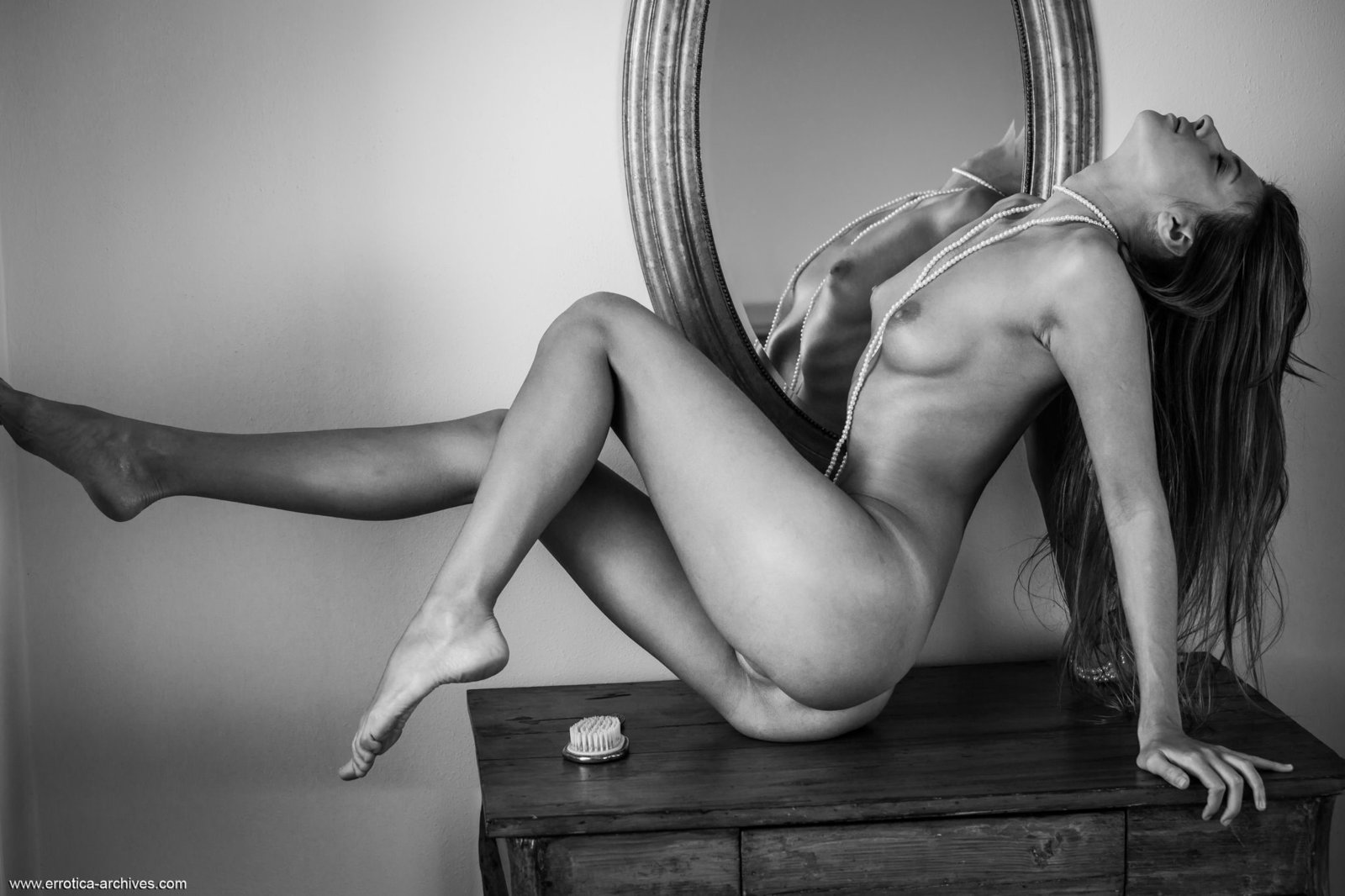
We live in a world full of color, and every phone shoots vivid, high-res color by default while the screens pump out images more saturated than real life. Still, when it comes to fine art nude photography, black and white has never lost its grip. If you take a walk through any serious gallery or open any respected monograph, you will see that the genre is still going strong, and that some of the most popular images are overwhelmingly monochrome. This is not because of nostalgia, but for real, specific reasons black and white still dominates the fine art nudes, and those reasons are what the medium does to the human body.

It Strips Away Distraction
The most fundamental reason is quite simple, as black and white removes color, and by doing so, it removes distractions. Color carries information the eye cannot help but process. Whether that is the tone of the skin, the hue of the backdrop, or a stray red object in the corner of the frame, all of them compete for attention, and stripping it away leaves only the essential elements behind - the form, light, shadow, line, and texture.
Reduction is exactly what fine art nudes are about, as the genre is not concerned with capturing what a person looks like in literal detail. It is more about the body's shape, composition, and feeling. Monochrome photography forces both the photographer and the viewer to engage with those qualities directly, without the shortcut of color doing all the emotional work. As the photographer Julia Anna Gospodarou puts it, black and white is about recreating the world through the 256 shades of gray, and in the nude, those grays describe the body more purely than color ever would.
Light Becomes Everything
With the removal of color, light does all the talking, and this is where black and white truly comes alive in nude photography. Without color to carry the image, the interplay of light and shadow becomes the entire language of the photograph, and that language is perfectly suited to the human form.
The one who understood it the best is none other than Edward Weston, a modernist master who did more than almost anyone to establish photography as fine art. Weston used light like a chisel, letting luminous flesh round out of deep shadow so that the shadow itself became as active and potent as the light.
In his famous 1936 image Nude (Charis, Santa Monica), showing his muse Charis Wilson curled on a rug, he turns a real woman into a series of flowing, almost abstract curves. It is truly remarkable how something can look like a body yet also look like a piece of pure geometry, especially without color. That ability to sculpt with light is the heart of black and white nude photography.
It Turns The Body Into Form
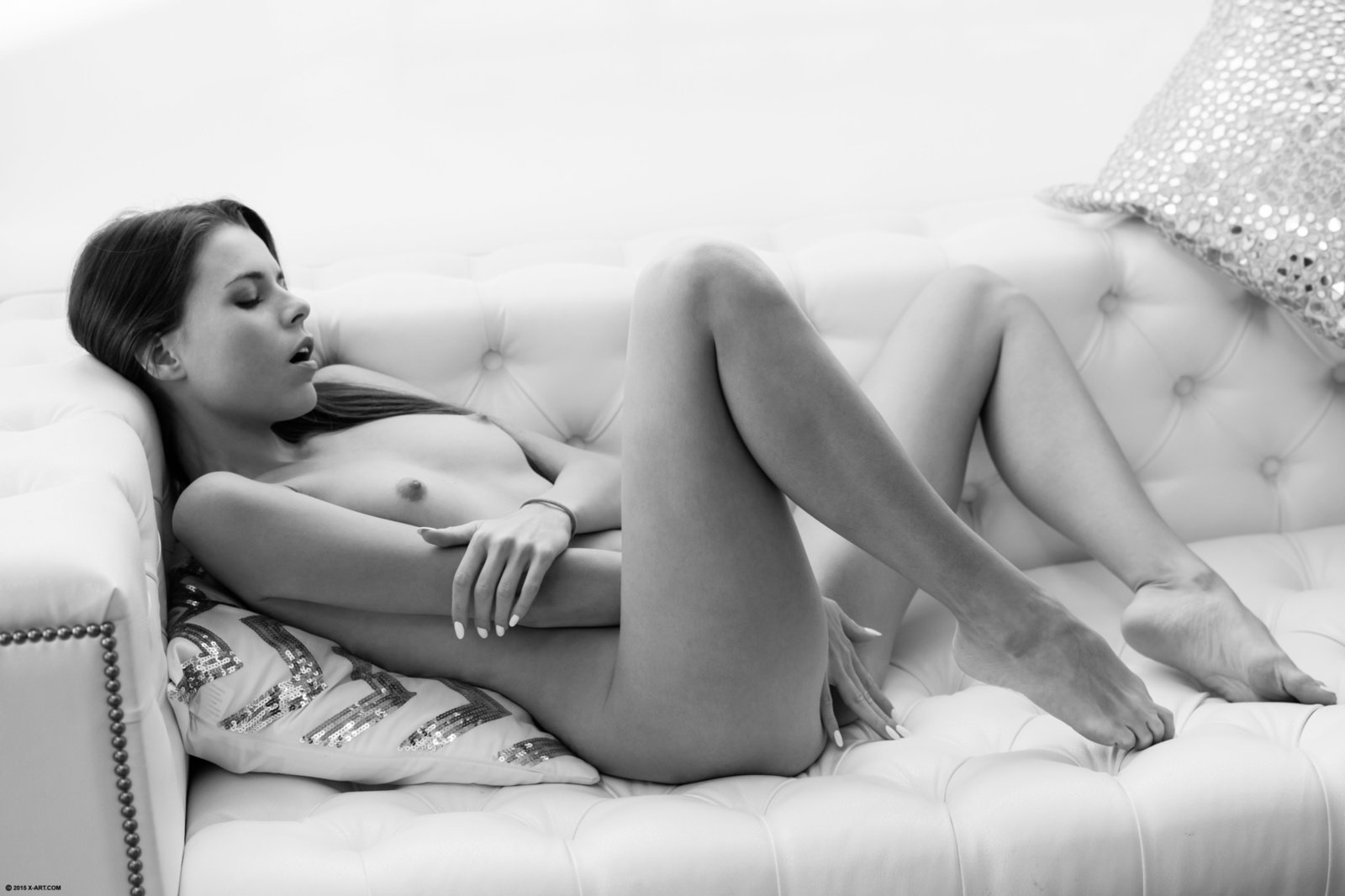
Black and white has a power to abstract, to lift the body into the realm of shape and sculpture. Once some elements are stripped away, the torso becomes a landscape, a curve becomes a line, and a shoulder becomes a smooth expanse of tone. This is why so many of the great nude photographers have worked in monochrome.
Besides the already mentioned Weston, Imogen Cunningham, a founding member of the influential f/64 group, brought the same form-obsessed eye to her nudes. She used tight cropping, absence of background, reduction of tone, and other tools that let her photographs transcend mere nudes. Color tends to pull an image back toward the literal, while black and white lets it float free into abstraction, which is precisely where fine art wants to be.
It Carries Emotion And Timelessness
There is also an emotional dimension to black and white, as it has a way of heightening the mood, intimacy, and drama in ways that color usually dilutes. The absence of color reads as a kind of quiet stillness that draws the viewer in, toward the feeling of an image instead of its surface. Monochrome can be tender, melancholic, raw, or powerful in a way that feels more concentrated.
Black and white also removes an image from time, since color in a photograph tends to announce its era through a specific look of its film or its digital tone. However, black and white nudes could have been made in 1925 or last week. Because of this timelessness, monochrome photography has an important place in the genre, as it connects modern work to the long tradition of the nude in art, stretching all the way back through Weston to his unique techniques, giving them a permanent place in the industry.
It Is Not Only Soft And Quiet
Many think that black and white nudes only mean softness and subtlety, but that would be a mistake. The monochrome palette can be hard and confrontational. Helmut Newton is one of the people who built their career on this exact kind of monochrome photography. His work used stark, high-contrast black and white to create images of striking power and presence. His "Big Nudes" series from the 1980s featured impressive women who radiated strength and authority, rather than the delicacy most photographers captured in their models.
That range is just one of many reasons why monochrome photography endures, as black and white can whisper or shout, depending on the photographer behind the camera and the setting they are trying to capture. It can be soft, like the luminous tenderness of Weston, or hard, like the glamorous provocation of Newton, as well as everything in between. There is not a single, limited look to this style of photography, but a whole spectrum of possibility, unified by the absence of color.
When Color Makes Sense Instead
None of this means color has no place in nude photography. Of course it does, and there are many photographers who use it beautifully, precisely because color can do things black and white cannot. When the specific warmth of skin, particular light, or the radiant colors of a real setting is the point of the image, color is the right choice, and some concepts really depend on color over everything else.
Color tends to be a choice of the photographer, and that is the whole point. Black and white is not a choice, it is the default language of the fine art nudes, and when the photographer wants to strip an image down to form, light, and feeling, there is no better way to do it than in monochrome, as it makes it feel like its natural home.
The Enduring Choice
So, why does black and white still dominate fine art nude photography, generations after color became universal? Well, it is because it does exactly what the genre asks of it. It removes distraction and reveals form, it makes light the entire language of the image, and it turns a specific body into universal shape and structure. Monochrome photography also heightens emotion and lifts an image out of time, and it does all of this across a huge range, from tender to confrontational.
Color photography, even if it has a certain richness, simply cannot match black and white's combination of qualities. The best photographers understood this a century ago, and today's photographers also follow this understanding, since in a world drowning in color, black and white remains one of the truest ways to capture a human form and make it last forever.


Comments (0)
Be the first to comment.